Call Us
+243 997 858 508 / +243 998 668 680Mail Us
pelumrdcongo@gmail.comAddress
No 34, Avenue Osso, Quartier Mabanga,Commune de Karisimbi, Ville de Goma,
Province du Nord Kivu,
Democratic Republic of Congo
Structured categories, editable leadership profiles and room to keep the governance view clean and complete.
2.1 Governance and Accountability Structure
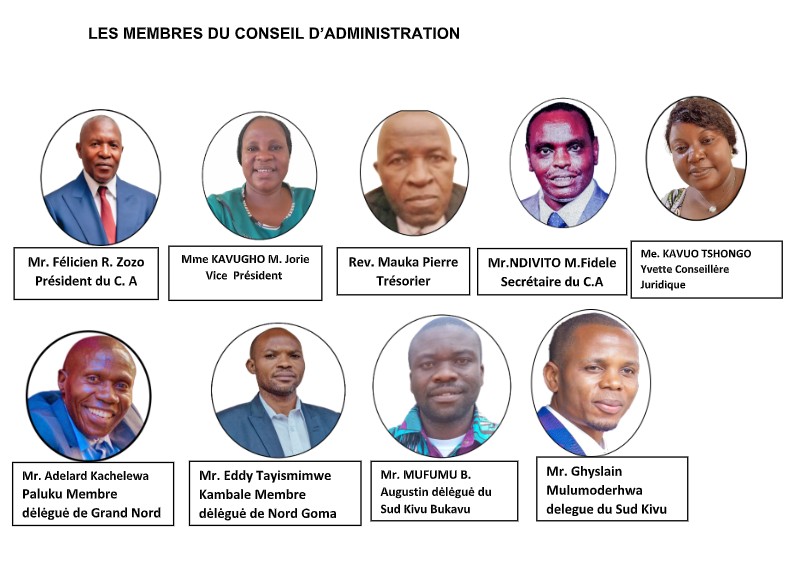
The governance page is organised by categories so you can add many people, photos, names, roles and responsibilities under each level.
The organizational structure of PELUM DRC includes the General Assembly, the Board of Directors, the Internal Management Control Commission, the Executive Secretariat / National Coordination, the Thematic Working Groups, Branches and Pools.
Each category can carry its own photo, description and as many leadership profiles as needed, including names, roles, photos, biographies, emails and telephone numbers.
Leadership Categories
Click any category below to jump to its section and manage the profiles inside it.
Supreme body of the organisation
Oversight and implementation follow-up
Internal oversight body
Executive body
Technical reflection and consultation
Provincial and territorial presence
Collaboration and coordination spaces
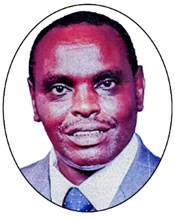
Create this category's people from the admin panel. You can add many profiles with photo, name, role and responsibilities.
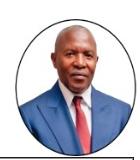
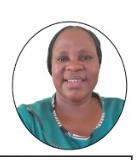



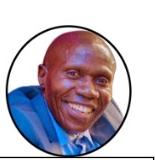
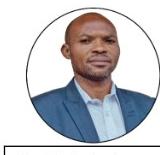
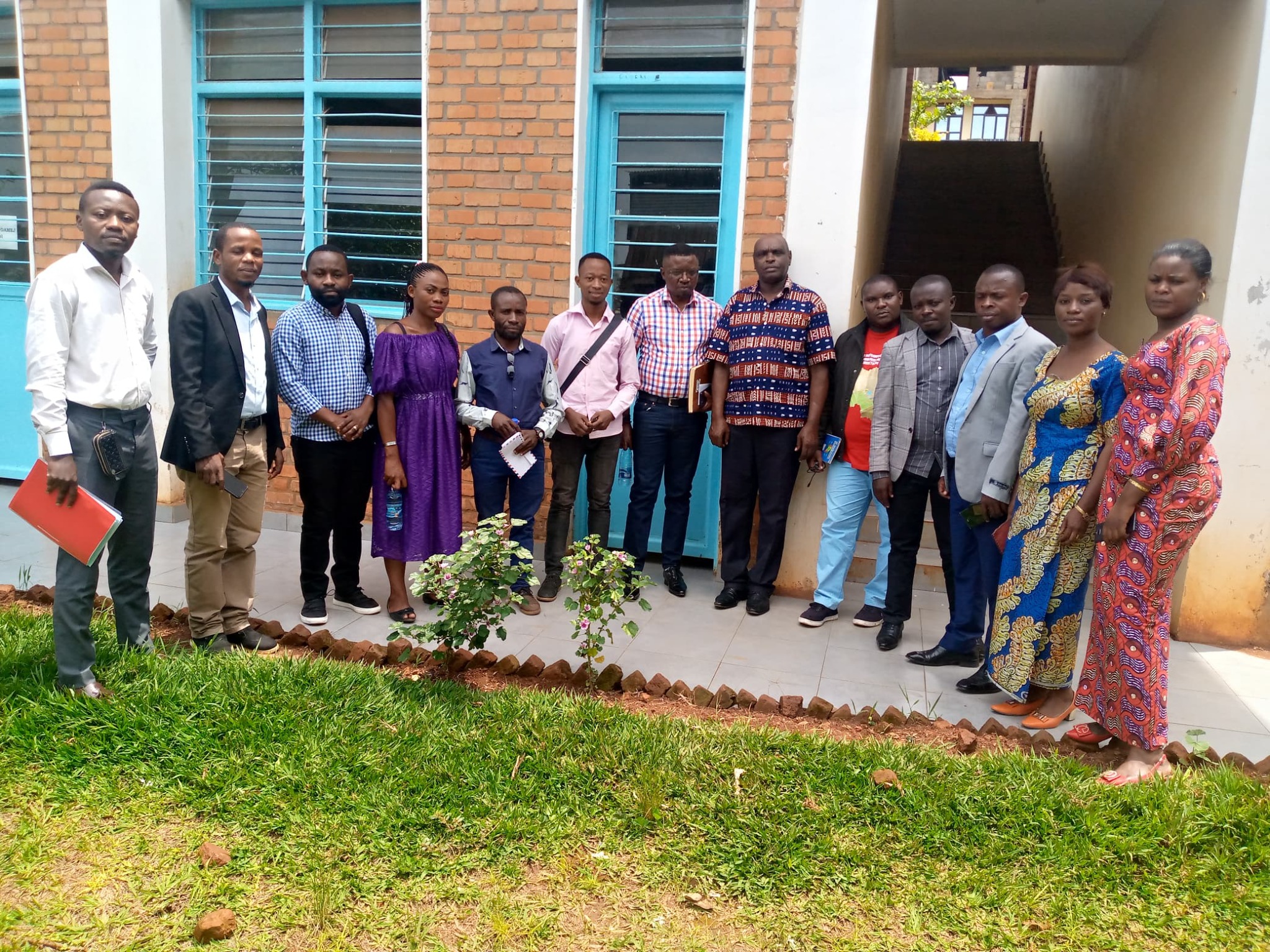
Create this category's people from the admin panel. You can add many profiles with photo, name, role and responsibilities.
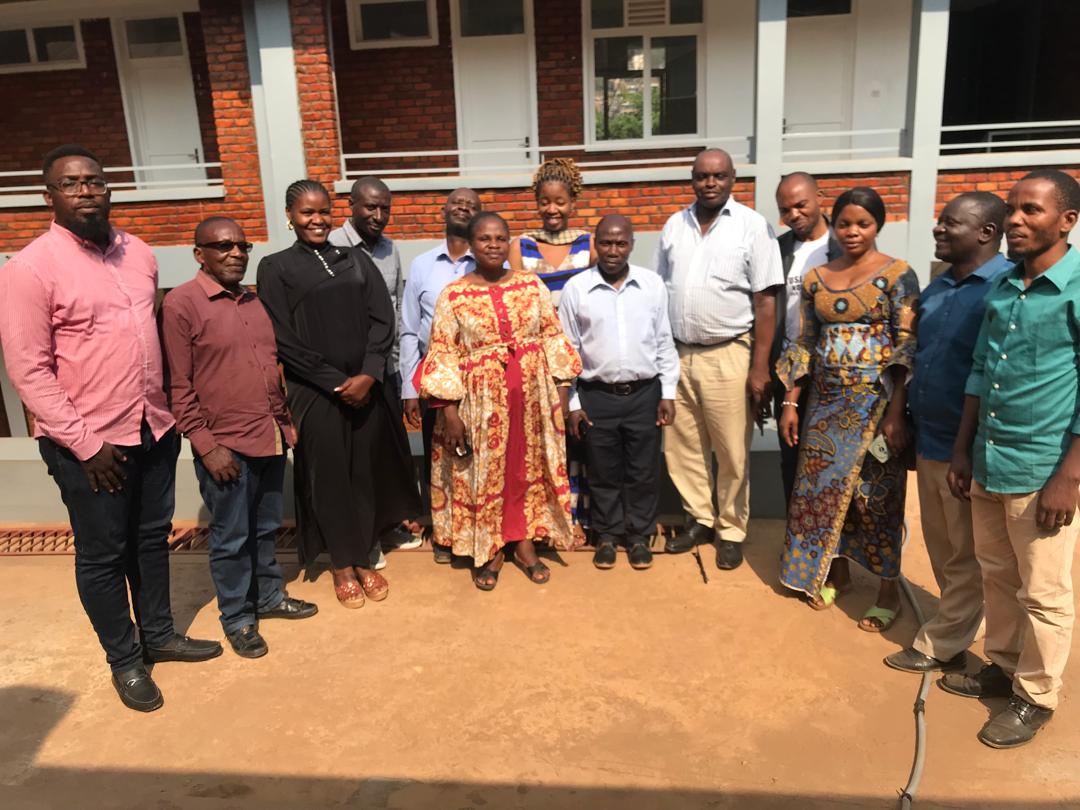
Create this category's people from the admin panel. You can add many profiles with photo, name, role and responsibilities.
Create this category's people from the admin panel. You can add many profiles with photo, name, role and responsibilities.
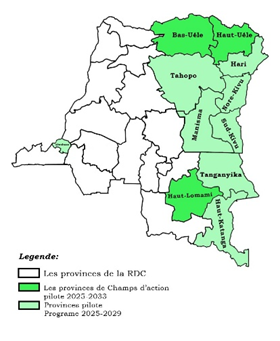
Create this category's people from the admin panel. You can add many profiles with photo, name, role and responsibilities.
Create this category's people from the admin panel. You can add many profiles with photo, name, role and responsibilities.
Thematic Working Groups
The presentation document identifies these five groups as core forums for reflection and technical guidance.
Focus on land stewardship, restoration and sustainable use of natural resources.
Focus on local seeds, agroforestry systems and agroecological practice.
Focus on climate resilience, adaptation and ecosystem-sensitive farming.
Focus on value chains, market access and rural enterprise.
Focus on empowerment, participation and inclusive opportunity creation.
No 34, Avenue Osso, Quartier Mabanga,
Commune de Karisimbi, Ville de Goma,
Province du Nord Kivu,
Democratic Republic of Congo
+243 997 858 508 / +243 998 668 680
pelumrdcongo@gmail.com
Monday - Friday
Saturday
Sunday